
Engineering Guide: How O-Ring Seal Union Couplings Improve High-Pressure Pipeline Integrity
Published by Shanghai PME Industrial Technical Team | Fluid Control & Oilfield Equipment Insights
In high-pressure oil and gas drilling, cementing, and petrochemical processing, pipeline connections face rigorous mechanical cycles. Selecting the correct coupling and sealing element is vital to preventing fluid seepage and ensuring crew safety. Today, we examine the structural advantages of modern O-Ring Seal Union Couplings and how they integrate with field infrastructure.
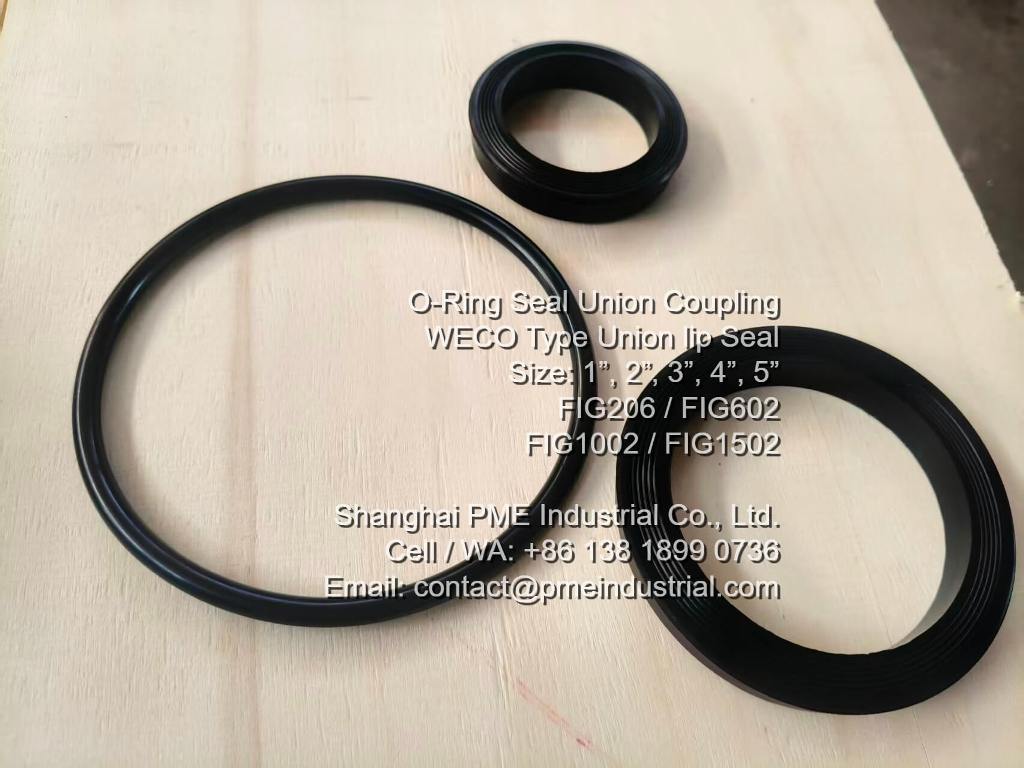
Figure 1: Structural profile of large-diameter union couplings in 3” to 5” configurations.
1. The Role of WECO Type Union Lip Seals in Pressure Energization
A primary challenge in high-pressure hammer unions is maintaining a seal during pressure spikes. The specialized WECO Type Union Lip Seal utilizes line-contact pressure energization. As fluid pressure increases inside the pipeline, the lips of the seal are forced tighter against the mating metal surfaces, creating an active barrier that prevents micro-leakage.
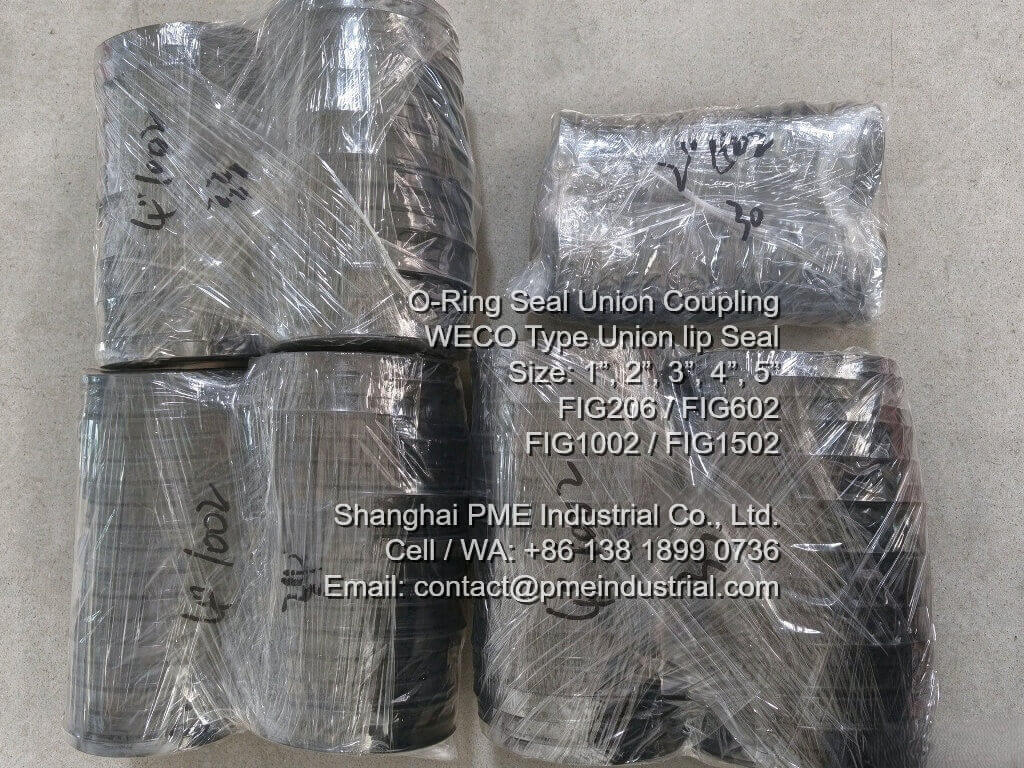
Figure 2: Internal sealing geometry of high-pressure lip seals.
2. Key Factors When Sourcing High-Pressure Connections
Engineers and procurement teams should evaluate the following parameters when specifying components for rig manifolds:
- Pressure Ratings & Figures: Ensure proper matching across FIG 206, FIG 602, FIG 1002, and FIG 1502 service ratings.
- Material Traceability: Verify that alloy steel bodies come with complete Material Test Reports (MTRs).
- Quick Make-and-Break: Hammer-lug designs allow rapid assembly on drilling sites without specialized bolting tools.
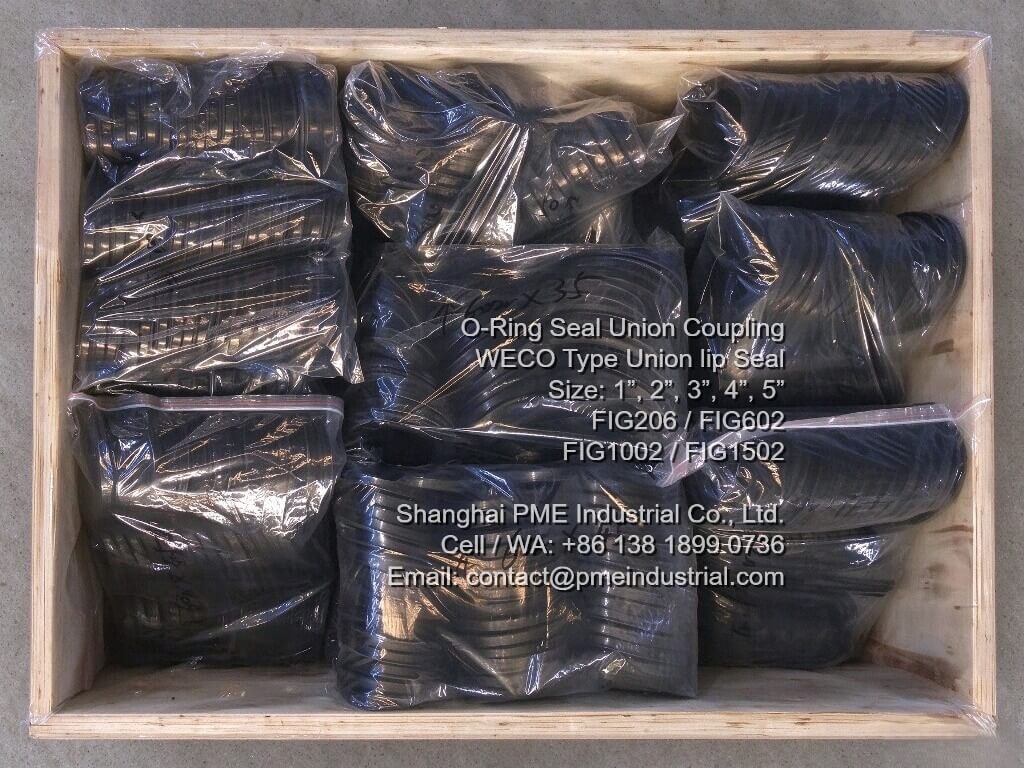
Figure 3: Secure export packaging and batch dispatch for global delivery.
Conclusion
Investing in quality forged fittings reduces downtime and long-term maintenance costs. To explore detailed specifications, sizing tables, and global availability for your next project, visit the official Shanghai PME Industrial Product Page.

没有评论:
发表评论