
Critical Safety: Why Every High-Pressure Line Needs a Whipcheck System
In high-pressure fluid environments, the integrity of a hose-to-hose connection is paramount. However, mechanical wear and unexpected surges can lead to coupling failures. This is where the Hose Safety Cable, commonly known as a Whipcheck, becomes a non-negotiable asset for site safety.
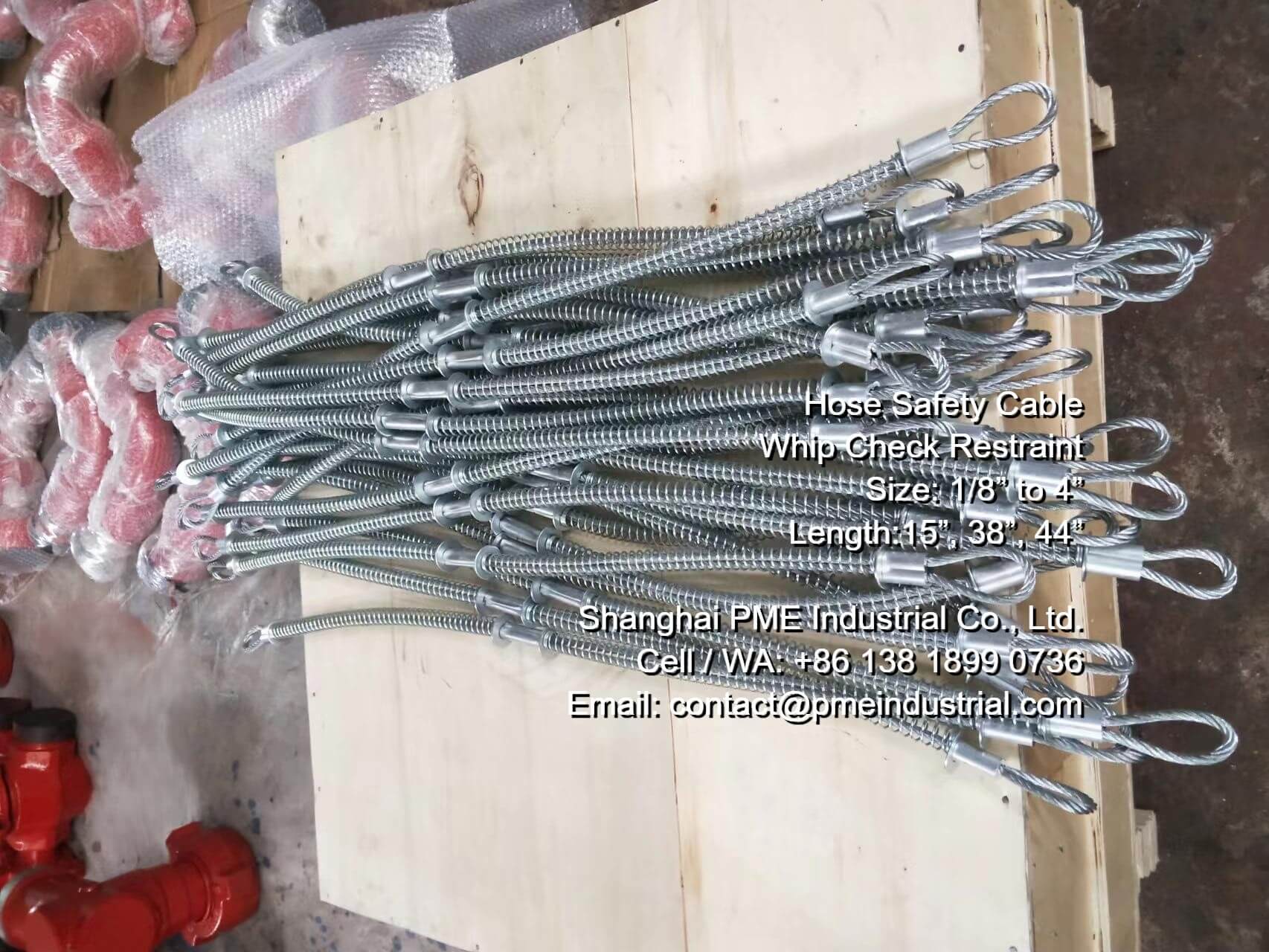
The spring-loaded mechanism ensures a firm, immediate grip on the hose surface.
How It Works: Maximum Restraint
The primary function of a Whipcheck Safety Device is to provide a secondary restraint. If a primary coupling fails, the galvanized steel spring loaded wire nooses tighten instantly. This prevents the energized hose from whipping uncontrollably, protecting personnel from high-velocity impact.
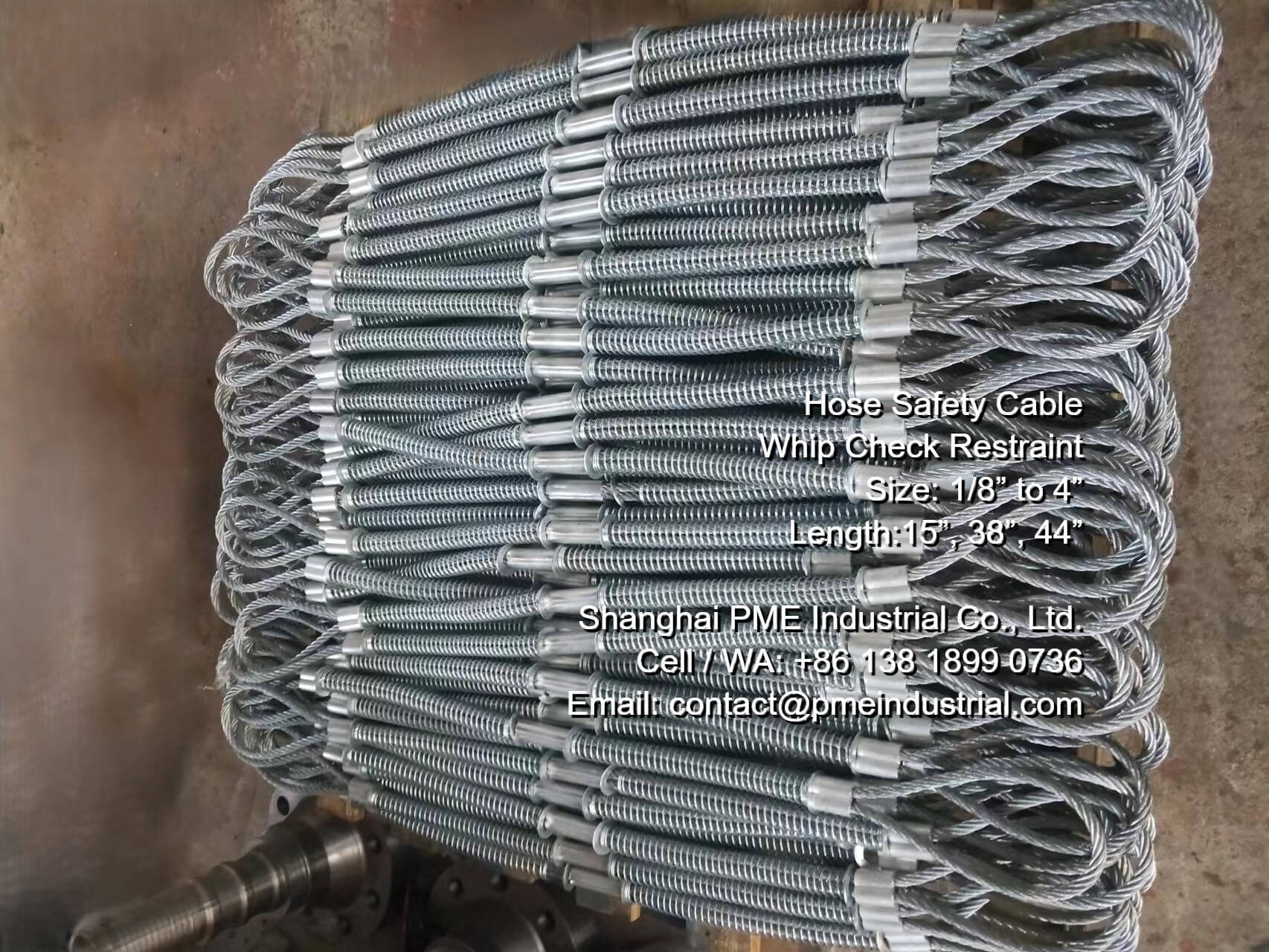
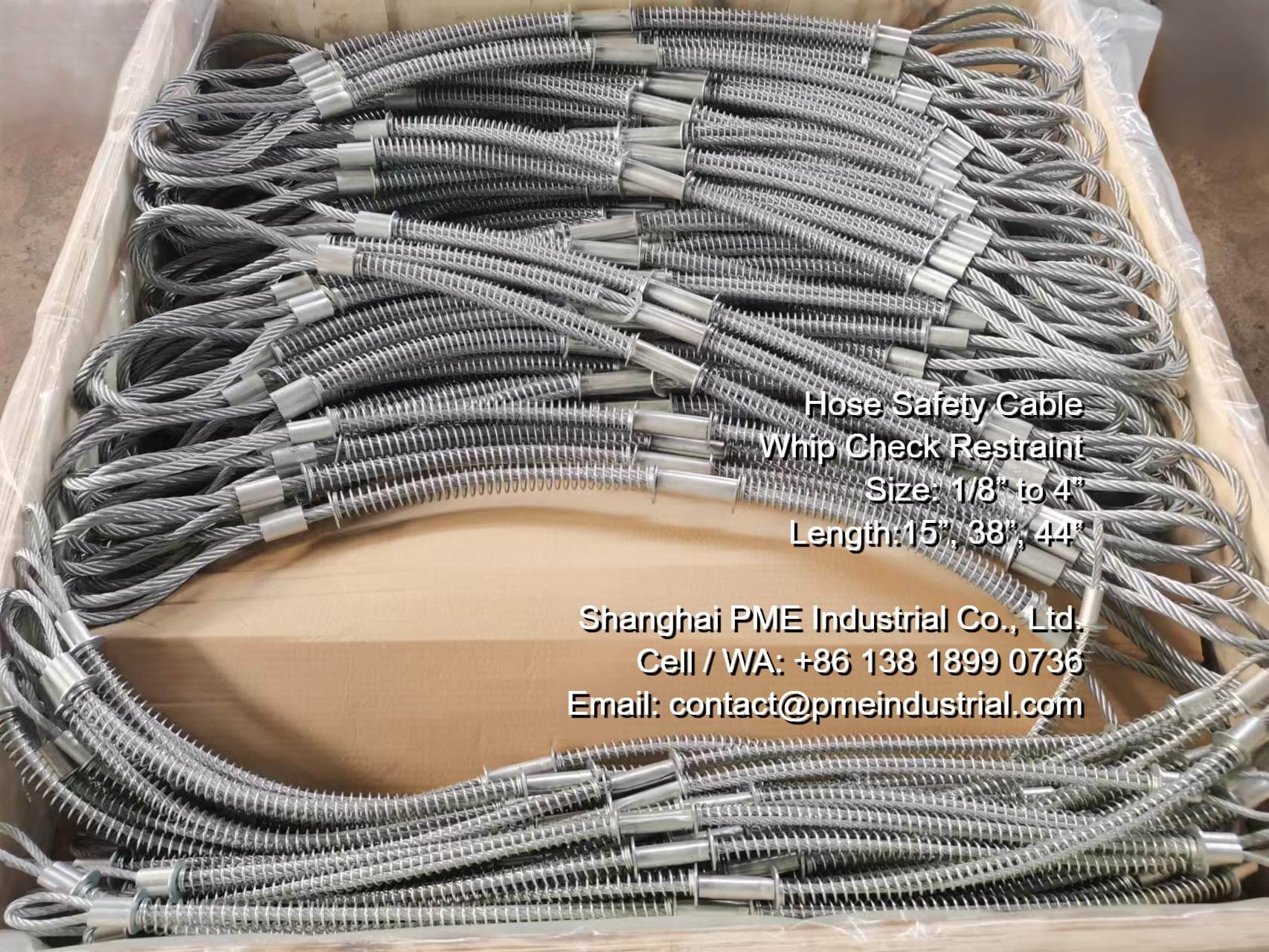
PME Galvanized Steel Whipchecks are built for high-tensile strength and durability.
Meeting Industrial Safety Standards
Modern safety protocols demand more than just "standard" equipment. Using high-tensile Galvanized Steel Whipchecks is a key step toward achieving zero-accident goals. Whether in mining, oilfields, or construction, these cables are the final line of defense.
Proper installation on a high-pressure hose-to-hose line.
Learn more about our Hose Safety Cable solutions and how they integrate into your current safety management systems. PME Industrial provides both carbon steel and stainless steel options to suit any operational environment.
Upgrade Your Site Safety
Contact PME for bulk orders and custom safety cable specifications.
Get a Technical Quote
没有评论:
发表评论