
Engineering Insights: Optimizing Well Control with API 16C Choke and Kill Manifold Systems
Published by Shanghai PME Industrial Technical Team | Well Control Engineering Insights
During high-pressure oil and gas drilling operations, managing formation pressure surges and executing safe kick containment require robust surface infrastructure. Integrating a dependable Choke and Kill Manifold into the surface BOP spread ensures that drilling crews can circulate out influx fluids under precise backpressure regulation.
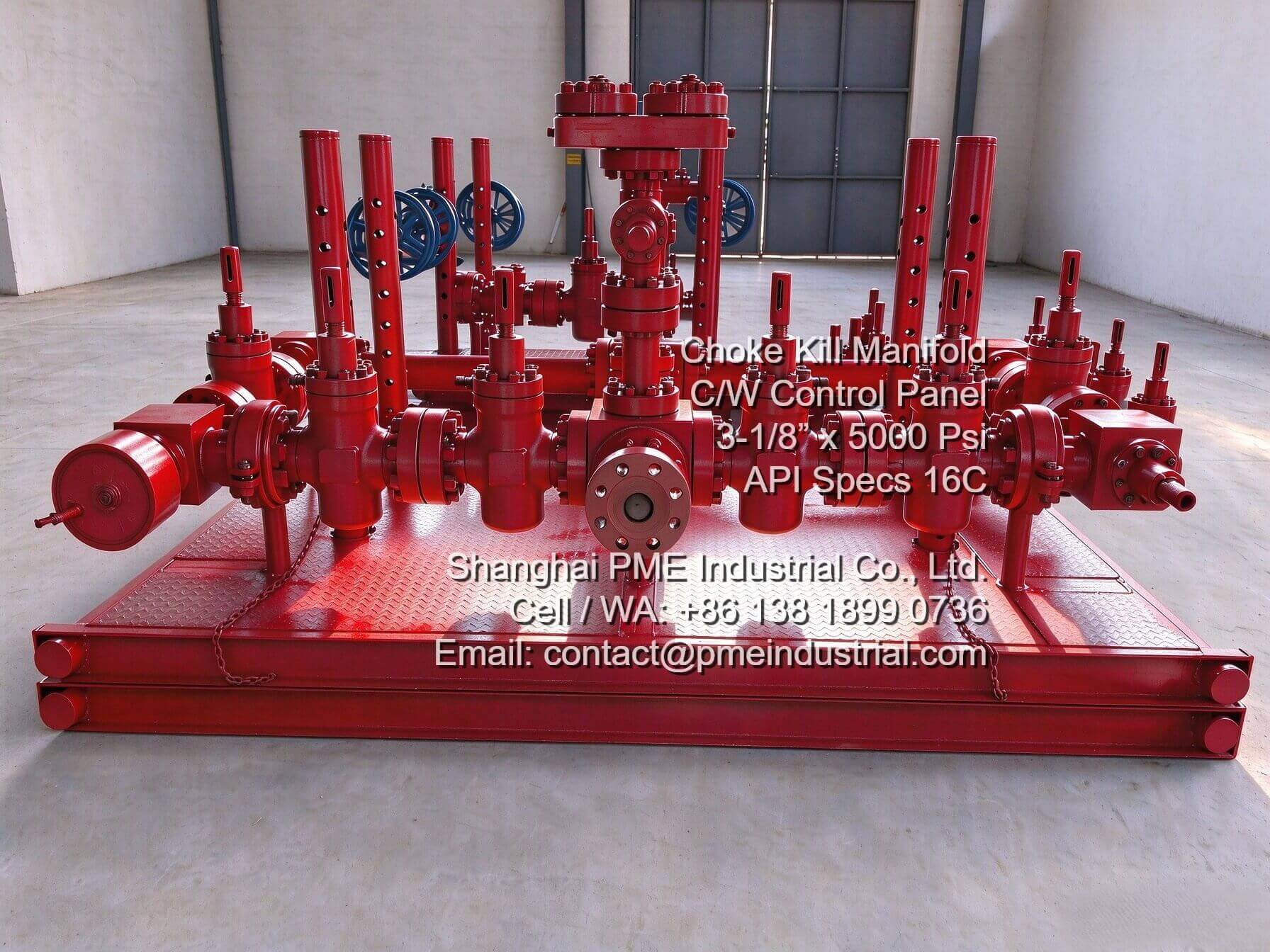
Figure 1: Skid-mounted 3-1/8" 5K choke and kill manifold assembly tested to 7,500 PSI.
1. Coordinated Functions of Choke and Kill Flowlines
The choke line manages regulated fluid discharge through adjustable chokes and high-integrity gate valves, protecting casing strings from over-pressurization. Simultaneously, the kill line provides a direct injection route for high-density kill mud backed by check valve barriers. Deploying an API 16C certified choke manifold for oil and gas guarantees structural integrity under aggressive H2S environments.
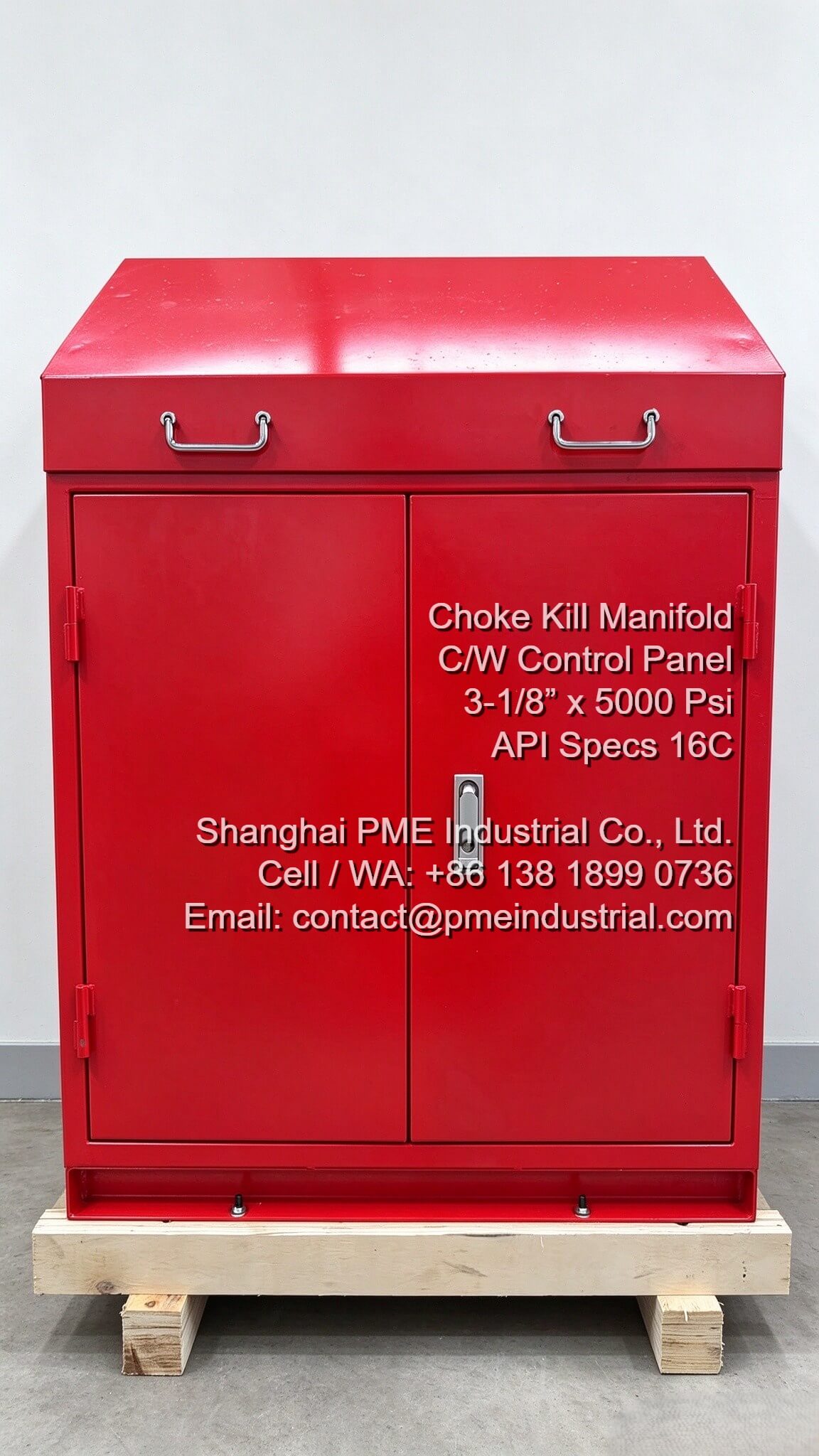
Figure 2: Remote pneumatic-hydraulic control panel for safe remote regulation.
2. Remote Operation and Hydraulic Hose Integrity
Operating high-pressure flowlines requires isolation from hazardous rig floor zones. Utilizing a dedicated control panel for choke manifold systems enables engineers to adjust choke apertures smoothly from the doghouse. Combined with armored hydraulic control hose bundles, these setups maintain responsive actuation during emergency well control.
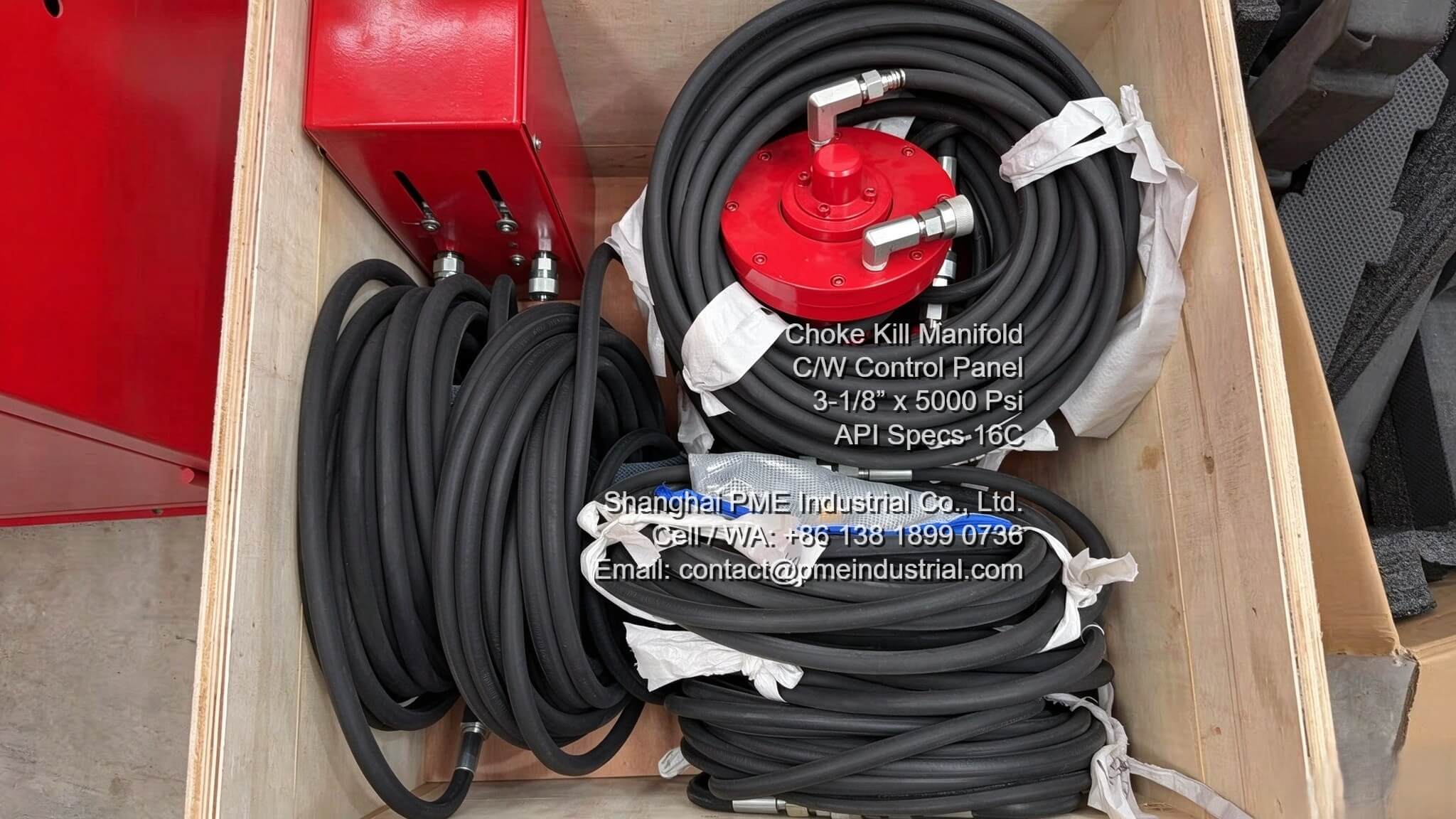
Figure 3: Export crate packing of high-pressure control hose lines and accessories.
Conclusion
Investing in fully traceable, hydro-tested well control manifold packages ensures operational safety and regulatory compliance. To review complete technical data and specifications, visit the official Shanghai PME Industrial Product Page.

没有评论:
发表评论