
Engineering Insights: Why API 16D Compliance Matters for BOP Control Hose Assemblies
Published by Shanghai PME Industrial Technical Team | Well Control Equipment Insights
In offshore and onshore drilling campaigns across Europe, blow-out preventer (BOP) hydraulic control systems represent the primary defense line for well control management. Delivering reliable hydraulic pressure during emergency events requires an uncompromising, high-integrity BOP Control Hose built to withstand mechanical wear, high operating temperatures, and severe internal pressure surges.
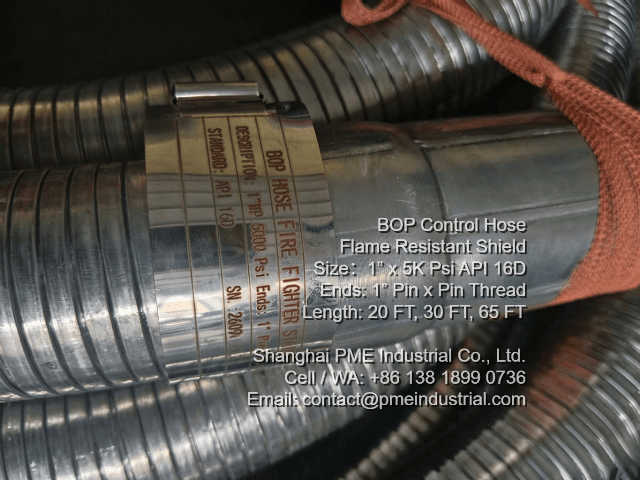
Figure 1: Traceability nameplate indicating API 16D compliance and 5000 PSI working pressure rating.
1. The Role of Fireproof Shielding and Stainless Steel Armouring
Standard hydraulic lines can degrade rapidly when exposed to open flame. Incorporating a specialized API 16D BOP Hose featuring an outer fireproof insulation jacket and an interlocking stainless steel armour layer ensures that hydraulic actuation circuits remain functional under extreme thermal conditions (meeting API Spec 16D flame test requirements of 704°C for 5 minutes).
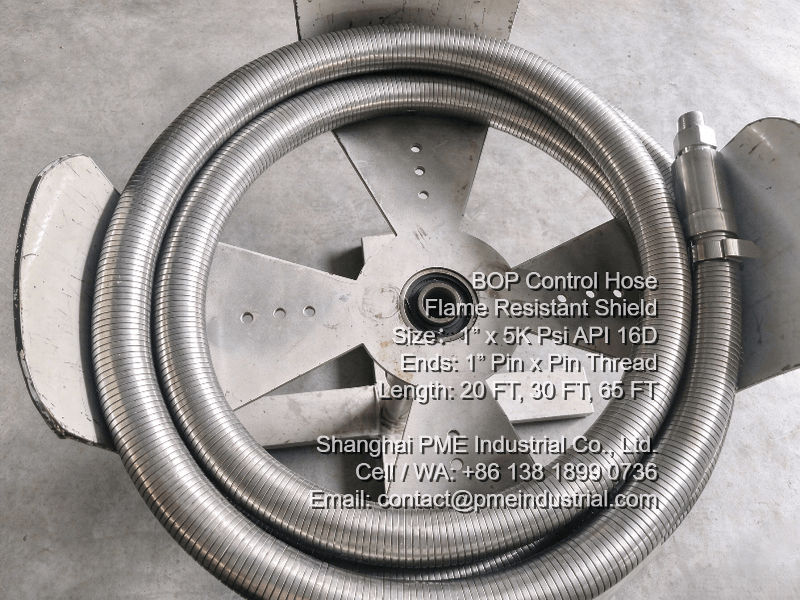
Figure 2: Factory pressure testing and coiling of flame-resistant hose bundles.
2. Standardized Lengths and European Rig Integration
When supplying European drilling contractors, dimensional precision and standardized assembly lengths are critical:
- Length Options: Widely deployed in 20 FT, 30 FT, and 65 FT continuous configurations to fit diverse rig floor layouts.
- End Connections: Equipped with 1" Pin x Pin NPT threaded fittings for direct coupling to accumulator units.
- Export Packaging: Packed securely in wooden cases to prevent transit damage during overseas shipping.
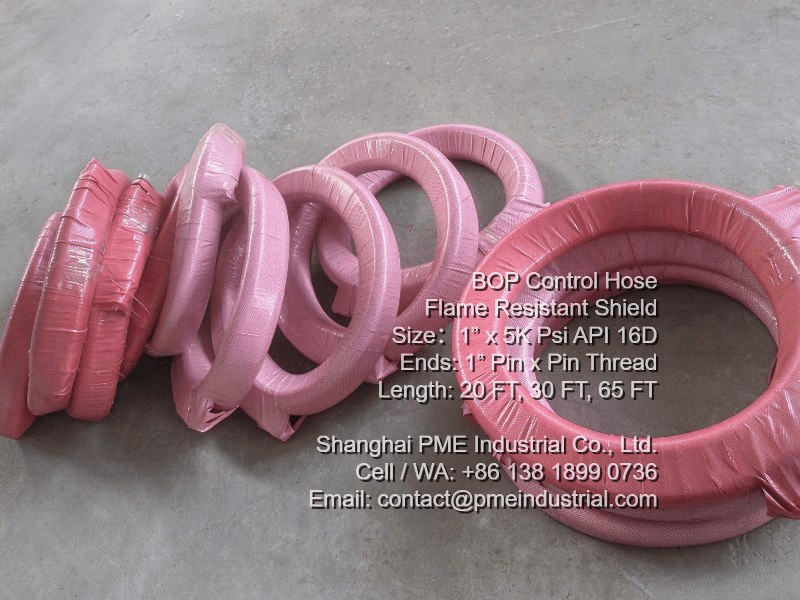
Figure 3: Secure crate packaging of stainless-armoured hose assemblies ready for export.
Conclusion
Investing in certified well control components ensures operational safety and regulatory compliance. To review full technical datasheets and certification details, visit the official Shanghai PME Industrial Product Page.

没有评论:
发表评论